
Tampa Allergies: 6 Triggers to Know in the Tampa Bay Area

- Tampa ranked 29th of the 100 largest metro areas in the contiguous U.S. in the AAFA's 2026 Allergy Capitals report, and its pollen scored worse than average.
- Oak is Tampa Bay's big spring trigger, and Florida's oaks peak from February to May.
- Bahiagrass, Florida's most common grass, is highly allergenic, and grass pollen can turn up year round in warm places.
- Mold and dust mites both thrive in warm, humid air, so they can keep symptoms going after pollen season.
- Ragweed, Florida's most clinically significant weed, has a pollen season that peaks from July to November.
Six triggers are worth knowing for allergies in Tampa, Florida, from oak and bald cypress in the spring to ragweed in the fall, plus mold and dust mites all year. Pollen stands out here. The Asthma and Allergy Foundation of America (AAFA) ranked the Tampa metro area 29th of the 100 largest metro areas in the contiguous U.S. in its 2026 Allergy Capitals report, and Tampa's pollen scored worse than average. Allergy medicine use and the number of allergists both came in average. Nearby, Lakeland ranked 20th and Sarasota 28th.
Florida's long warm season means something is usually in the air. Below are the six triggers, when each one shows up around the Tampa Bay area, and what helps. For the long term, immunotherapy, including a fast allergy treatment course called ILIT, treats the allergy itself.
How we picked Tampa Bay's allergy triggers
The plants come from University of Florida Extension (UF/IFAS) pages on Florida's most allergenic trees, grasses and weeds, and mold and dust mites from the AAFA. No source ranks these triggers by how many people they bother, so this is a list, not a ranking. It runs roughly in calendar order.
| Trigger | When it's worst around Tampa Bay | Why it matters |
|---|---|---|
| Oak pollen | February to May | One of the most allergenic trees, with 11 species in Florida |
| Bald cypress, red cedar and wax myrtle | Late winter and spring | Highly allergenic and common in Florida |
| Bahiagrass and Bermudagrass | Spring through fall, Bermudagrass all year | Florida's most common grass, and a year round one |
| Ragweed | July to November | Florida's most clinically significant weed |
| Mold | All year, rising with rain and storms | Highest in the warm, humid Southeast |
| Dust mites | All year, indoors | Thrive in warm, humid homes |
Sources: UF/IFAS Gardening Solutions, UF/IFAS News, UF/IFAS Mid-Florida Research and Education Center, the AAFA 2026 report and the AAFA's dust mite page.
1. Oak pollen

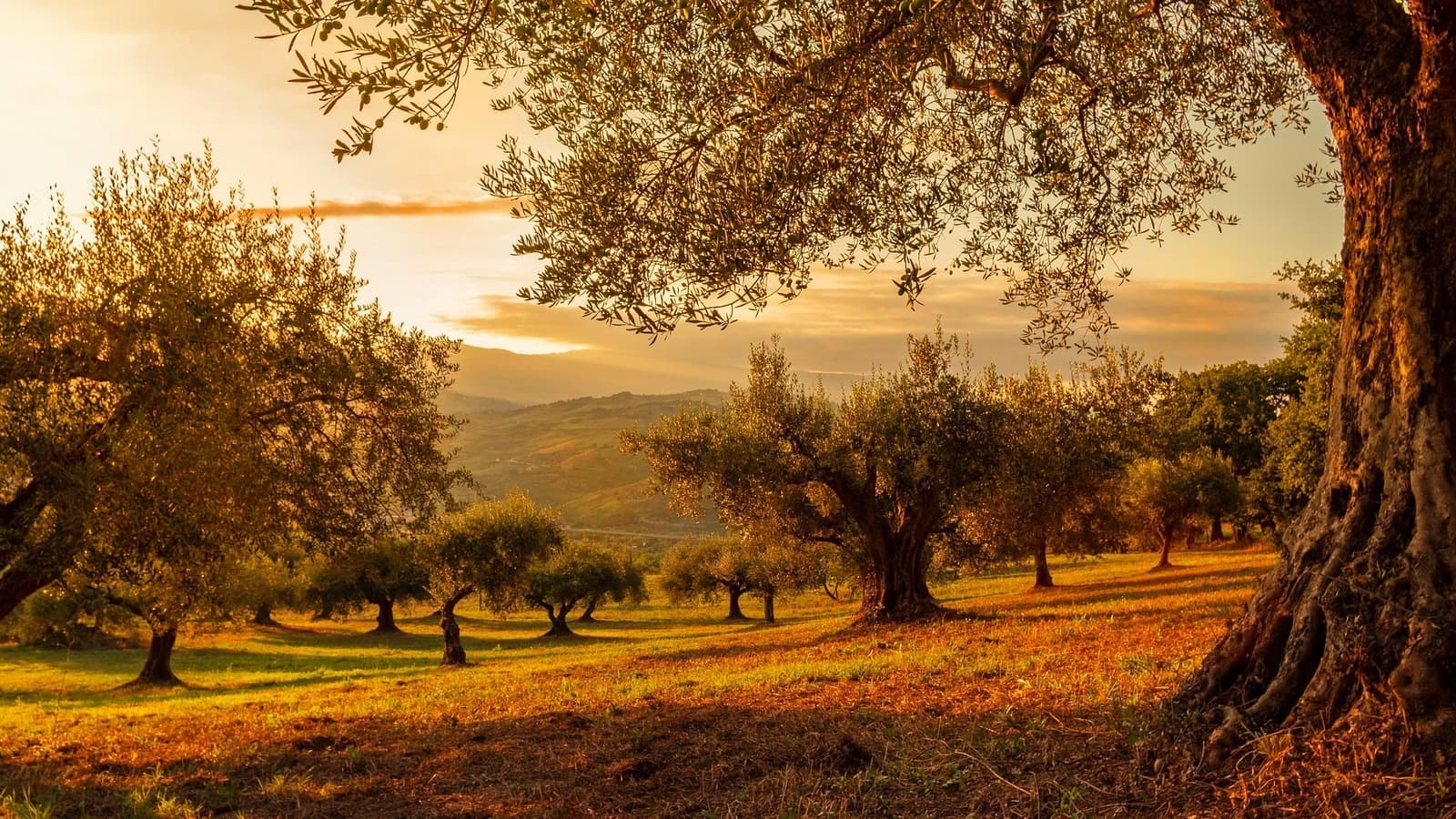
Oak is the big one in spring. University of Florida's UF/IFAS Gardening Solutions calls oak one of the most allergenic trees and says Florida's 11 oak species peak from February to May, with some areas seeing high counts as early as December. The species don't all bloom at once. According to UF/IFAS News, laurel oaks come first and live oaks start within about a month, and the Hillsborough County urban forester puts the height of the season in March and April.
You may see it, too. In the same story, a Pinellas County horticulture agent described oak pollen heavy enough in February to turn her blue car green.
Tip: UF/IFAS agents suggest limiting time outdoors from 10 a.m. to 4 p.m. and on windy days, and wearing a mask when you mow or garden.
2. Bald cypress, red cedar and wax myrtle

Bald cypress is easy to overlook as an allergy trigger, but UF/IFAS Gardening Solutions lists it among the highly allergenic and common trees in Florida, along with eastern red cedar, wax myrtle (also called bayberry) and the invasive Australian pine. Cypress can get an early start. In 2018, the director of USF Health's allergy division told WUSF that a lot of cypress and cedar pollen was already in the air by mid February. USF Health counts pollen weekly with a device on its Tampa campus.
Wax myrtle and red cedar come with a twist. A UF/IFAS fact sheet on Florida trees and allergies explains that these species have separate male and female trees, and only the males rate high for allergies. On the 1 to 10 allergy scale it uses, male wax myrtle scores 9 and male red cedar 10, while the female trees score 2 and 1.
Tip: Note when your symptoms start each year and tell your allergist. Timing helps narrow down which trees to test for.
3. Bahiagrass and Bermudagrass
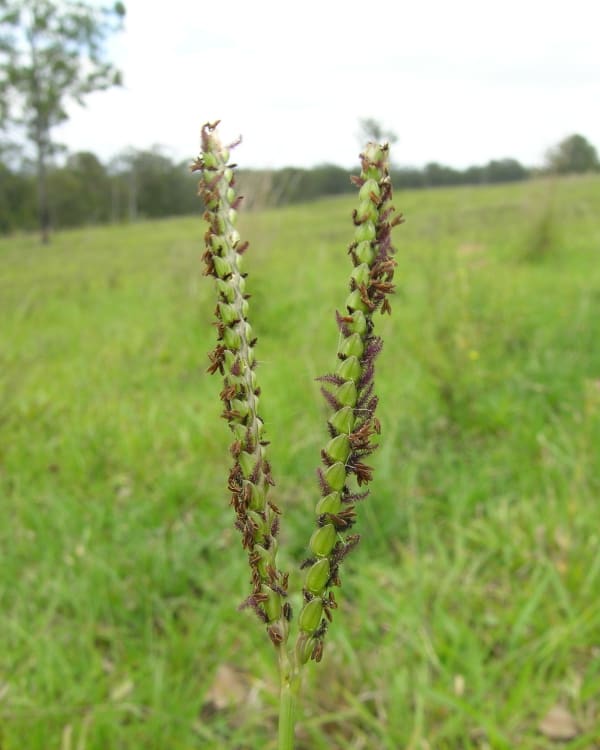
Grass takes over as tree pollen fades. UF/IFAS Gardening Solutions calls bahiagrass the most abundant grass in Florida and places it high on the list of allergenic plants. It was originally brought to Florida as a pasture grass and is also an option for home lawns, UF/IFAS says. Bermudagrass is the other big one. UF/IFAS calls Bermudagrass and Johnsongrass huge contributors to pollen allergies, and in the subtropical parts of the state, Bermudagrass pollinates year round.
That's a big difference from the north. The AAAAI says grass in most of the U.S. usually pollinates in late spring, while the AAFA notes that grass pollen can be found all year in warmer parts of the country. UF/IFAS describes Florida's pollen counts tapering in summer, then climbing again as the grasses kick in.
Tip: Grass pollen is light and travels on the wind, the AAFA says, so it can reach you from other places, not only your own yard. If you mow, wear a mask, then shower and change clothes afterward.
4. Ragweed
Ragweed is the weed to know. UF/IFAS Gardening Solutions calls it Florida's most clinically significant weed, and UF/IFAS's Mid-Florida Research and Education Center says its pollen season peaks from July to November. Florida's weeds can pollinate in any season, even winter, UF/IFAS adds, and dog fennel and pigweed are other highly allergenic weeds on its list.
Fall counts can vary from year to year. The AAFA found very low fall weed pollen in many Florida and Texas cities in 2025 and suggested that flooding may have washed away the weeds' seed base.
Tip: Keep windows closed during ragweed season, as the AAFA advises for any pollen season. Our ragweed allergy guide covers its symptoms and the foods that can cross react with it.
5. Mold
Mold is easy to miss because it isn't pollen. The AAFA says indoor and outdoor mold levels tend to be highest in the Southeast because of its warm, humid climate. Warm temperatures, rain and rising humidity drive mold growth, and airborne spores have been reported to climb before, during and after storms. Tampa gets more than 7 inches of rain a month in June, July and August on average, according to National Weather Service climate normals, compared with about 2.6 inches in winter months. Mold isn't counted in the Allergy Capitals rankings.
Tip: Keep indoor humidity at 50% or below, the CDC advises, and dry out any flooded area within 24 to 48 hours. The AAFA suggests a hygrometer to check humidity and a dehumidifier if you need one. If possible, have someone without a mold allergy do the yard work.
6. Dust mites
Dust mites keep allergies going after the pollen settles. The AAFA says they thrive in temperatures around 70°F and above, with humidity over 50%. Tampa's normal average temperature stays above 70°F every month from April through October, according to the National Weather Service, so conditions suit them for much of the year.
Tip: Start in the bedroom, where the AAFA says there are usually more mites than anywhere else in the home. Use zippered allergen barrier covers on the mattress and pillows, wash bedding weekly in water at least 130°F, and run the air conditioner or a dehumidifier to keep humidity between 30% and 50%.

What probably isn't to blame
Pine is known for coating cars with thick yellow dust. UF/IFAS Gardening Solutions says pine is low allergenic despite how much pollen you can see, and the UF/IFAS tree fact sheet rates it 4 of 10. Palm trees and goldenrod are among the plants UF/IFAS says get blamed unfairly.
How to cut your allergy exposure in Tampa Bay
These steps come from the AAFA and UF/IFAS Extension agents.
1. Watch the weather, not only the calendar. Rain from thunderstorms knocks pollen out of the air, UF/IFAS says, and UF/IFAS agents suggest limiting time outside on windy days. Mold is the exception, rising around storms.
2. Keep the windows shut and the air conditioner on. The AAFA recommends closed windows during pollen season and central air or a HEPA air cleaner. The AAFA's dust mite page adds that an air conditioner helps control indoor moisture, which matters for mold and dust mites too.
3. Dry laundry inside. Clothes hung outdoors during heavy pollen bring it back in. Use the dryer or an indoor rack.
4. Leave pollen at the door. Take your shoes off, change clothes after time outdoors, and shower and wash your hair before bed so pollen stays out of your pillow.
5. Start medicine before your season. The AAFA suggests starting allergy medicine a couple of weeks before your season begins, and calls nasal steroid sprays the most effective type for nose symptoms.
Allergy testing in Tampa
Oak, cypress, grass, ragweed and mold can all cause the same sneezing, stuffy nose and itchy eyes. The AAFA recommends having your allergies evaluated by an allergist. A skin test or blood test can help pin down which triggers matter for you, and that's the first step if you're thinking about immunotherapy, which is matched to your allergens. Our guide to allergy skin tests vs. blood tests explains both. If you're not sure it's allergies at all, Allergies or a Cold? walks through the signs.
Longer term options for Tampa allergies
Allergy medicine controls symptoms while you take it, but it doesn't change the allergy. If medicine doesn't give you complete relief, the AAFA suggests asking your allergist about immunotherapy, which can change how your immune system responds to allergens.
Allergy shots (SCIT) follow the longest schedule. The AAAAI describes shots once or twice a week for four to six months during build-up, then every two to four weeks for three to five years. Our guide to allergy shots explains the schedule.
Allergy tablets and drops (SLIT) go under the tongue. The AAAAI says grass tablets are approved in the U.S. and are taken at home after the first doses in the allergist's office. Our comparison of allergy shots, allergy drops and ILIT covers which allergens each one treats.
ILIT (intralymphatic immunotherapy) is the shortest course, and for some people a faster alternative to allergy shots. An allergist uses ultrasound to inject FDA approved allergen extract into a lymph node in the groin (just below the waist, near the hip). Giving the extract that way is an off label use. A typical course is about three injections over about two months, the schedule from a 2008 trial in people with grass pollen allergy. In that study, ILIT raised nasal tolerance to grass pollen within four months, and after three years the effect wasn't significantly different from three years of allergy shots, with fewer allergic side effects.
ILIT research is promising but smaller than the research behind allergy shots, and results vary from person to person. The ILIT FDA FAQ covers the off label question in more detail.
Finding ILIT near Tampa
To see allergists who offer ILIT, search near Tampa or browse our Florida providers page. For a look at allergies through the year anywhere in the country, see Seasonal Allergies by Season.
Image credits: bahiagrass photo by Harry Rose, licensed under CC BY 2.0, cropped.
Frequently Asked Questions
Warm weather gives plants a long time to release pollen. The AAFA says the Southeast's warmer, more humid climate supports pollen production, and that indoor and outdoor mold levels tend to be highest there too. Six Florida metros ranked in the AAFA's 2026 top 40, with Lakeland highest at 20th.
For trees, roughly January through June. UF/IFAS says the season starts in North Florida and moves south, with the height in March and April. Pollen tapers in summer, then grasses push counts back up, and UF/IFAS Gardening Solutions says grasses can pollinate in spring, summer and fall.
It may never fully end. UF/IFAS Gardening Solutions says Bermudagrass pollinates year round in the state's subtropical areas, and weeds can release pollen in any season, even winter. The AAFA notes that in some places seasonal allergies can affect people all year, and that mold and dust mites can cause the same nose allergy symptoms as pollen.
The peak runs through May. UF/IFAS Gardening Solutions gives February to May as peak pollinating season for Florida's 11 oak species, though some areas see high counts as early as December. Because the species bloom at different times, the season can feel like it drags on for months.
Bald cypress can. UF/IFAS Gardening Solutions lists it among the highly allergenic and common trees in Florida, along with eastern red cedar and wax myrtle. UF/IFAS doesn't give cypress its own season, but it says Florida trees generally pollinate in winter and spring.
The same symptoms as other pollen allergies. The AAFA lists a runny or stuffy nose, sneezing, red and watery eyes, itchiness in the nose, eyes, ears or mouth, and swelling around the eyes. Bahia is on the AAFA's list of the most common grasses that cause allergy symptoms, and the AAAAI names it as a common southern grass.
Yes. The AAFA says dust mites live in nearly every home except in very dry or high altitude places, and that they thrive at around 70°F and above with humidity over 50%. Tampa's normal average temperature tops 70°F every month from April through October, according to the National Weather Service. Our dust mite allergy guide covers how to cut them down.
Medicine works quickly but only while you take it. Immunotherapy works on the allergy itself, and the AAAAI describes allergy shots lasting three to five years. ILIT (intralymphatic immunotherapy) is a much shorter course of about three injections over about two months. Ask whether it fits your allergens, and use Find a Provider on OpenAirAllergyNetwork.com to locate an allergist who offers it.