Seasonal Allergies: Spring, Summer, Fall & Winter Guide

- Seasonal allergy triggers shift throughout the year: tree pollen in spring, grass in summer, ragweed and mold in fall, indoor allergens in winter.
- Symptoms often include sneezing, congestion, and itchy or watery eyes.
- Pollen timing and intensity vary by climate and region.
- Persistent or multi-season symptoms are worth discussing with an allergist rather than just managing them with over-the-counter medication.
- Immunotherapy options, including ILIT, can build longer-term tolerance instead of just treating symptoms as they occur.
Seasonal allergies happen when your immune system overreacts to airborne substances, mainly pollen and mold spores, that become common outdoors at different points in the year. What's triggering your symptoms usually depends on which season it is.
Spring Allergy Causes
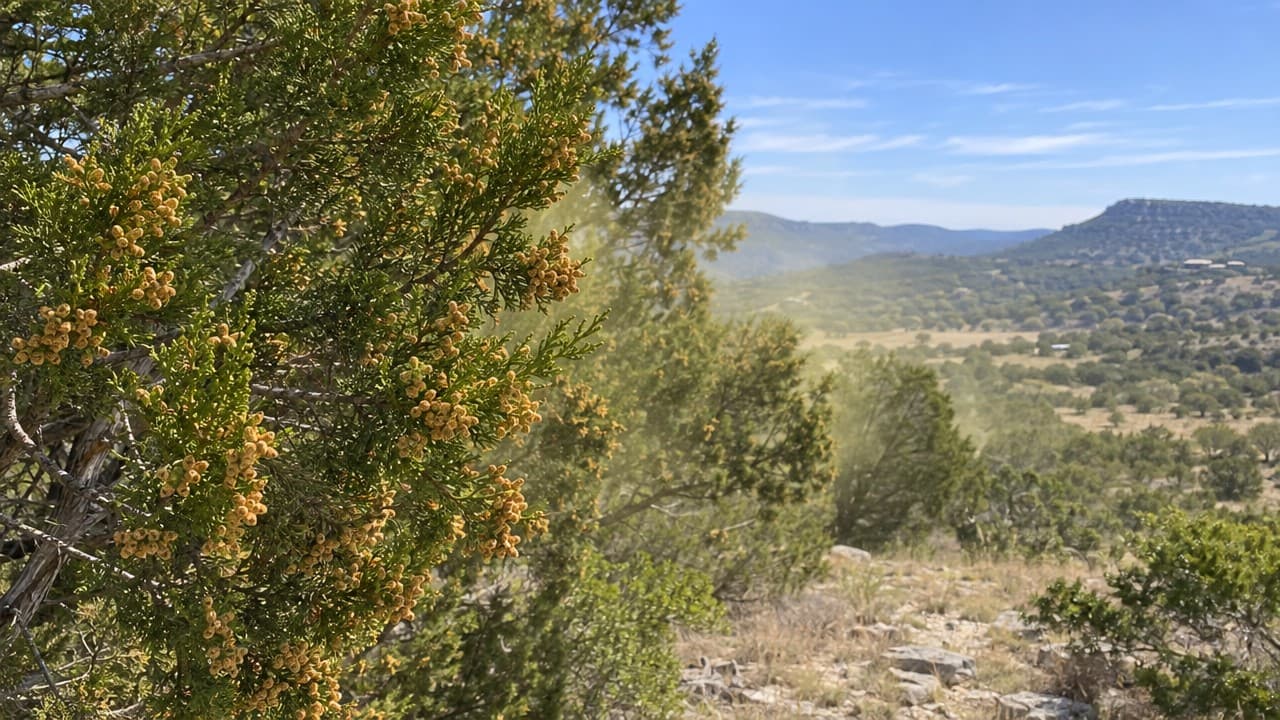
Tree pollen is the main spring trigger, typically starting as early as late winter in warmer climates and continuing into late spring. Oak, birch, and cedar are common culprits, and tree pollen can travel long distances on the wind, so you don't need to be near the tree itself to react.
Summer Allergy Causes
As tree pollen tapers off, grass pollen takes over as the dominant summer trigger. Summer can also bring more mold spore exposure from humidity and lawn clippings.
Fall Allergy Causes
Ragweed is the best-known fall allergy trigger, and a single plant can release a large amount of pollen that travels widely. Our ragweed allergy guide covers its season, symptoms and treatment. Decaying leaves and damp fall weather also raise mold spore counts.
Winter Allergy Causes
Outdoor pollen drops off significantly in winter, but symptoms don't necessarily stop. People spend more time indoors, which increases exposure to indoor allergens like dust mites, pet dander, and indoor mold.
Exact timing and severity vary by climate and region. A mild fall in one area can mean an earlier or later ragweed season elsewhere, so what you experience may not match these general patterns exactly.
Symptoms
The most common signs are sneezing, nasal congestion, and itchy or watery eyes. Some people also get a runny or stuffy nose that won't quit. If symptoms last for weeks, track closely with a specific season, or improve indoors, that points to allergies rather than a cold.
When to See an Allergist
Same-season symptoms every year, lasting more than a couple weeks, or not responding to over-the-counter antihistamines are all reasons to see an allergist instead of just pushing through it. That's especially true if your symptoms span multiple seasons, or seem to get worse each year, since that pattern often responds better to immunotherapy than to escalating your OTC routine.
Seasonal Allergy Treatment Options
Immunotherapy treats the underlying reaction instead of just managing symptoms, gradually building your immune system's tolerance to the allergens you react to. Traditional options, allergy shots (SCIT) and allergy drops or tablets (SLIT), work over several years. ILIT is newer and can build tolerance over a handful of visits across a few months instead. If your seasonal symptoms span more of the year than just one season, that shorter timeline is worth asking about directly.
Find an ILIT provider near you to talk through your options.
Frequently Asked Questions
They're often used interchangeably, but hay fever technically refers to the pollen-driven reaction, formally called allergic rhinitis, rather than allergies overall. If your symptoms happen year-round instead of clustering around a season, that points to a different trigger, like dust mites or pet dander, rather than pollen.
It's not necessarily the same allergy carrying through. Spring, summer, and fall each have distinct pollen sources, so many people are sensitive to some but not all of them. It's also possible to develop a new sensitivity later in life to a season that never used to bother you.
A fever points to a cold, not allergies. Allergies don't cause fever on their own. Duration is another clue: a cold usually clears up within a week to ten days, while allergy symptoms can drag on for weeks as long as you're exposed to the trigger.
Testing. An allergist can identify exactly which pollens or molds you react to, rather than guessing from the calendar. That's the starting point for immunotherapy, which treats the underlying sensitivity instead of just blocking histamine every allergy season.
Yes, that's actually one of the more common reasons people look into it. ILIT targets a defined set of allergens in one protocol, so if testing shows you react to both tree pollen and ragweed, for example, both can potentially be addressed together instead of running separate treatments per season.