
Allergies or a Cold? How to Tell the Difference
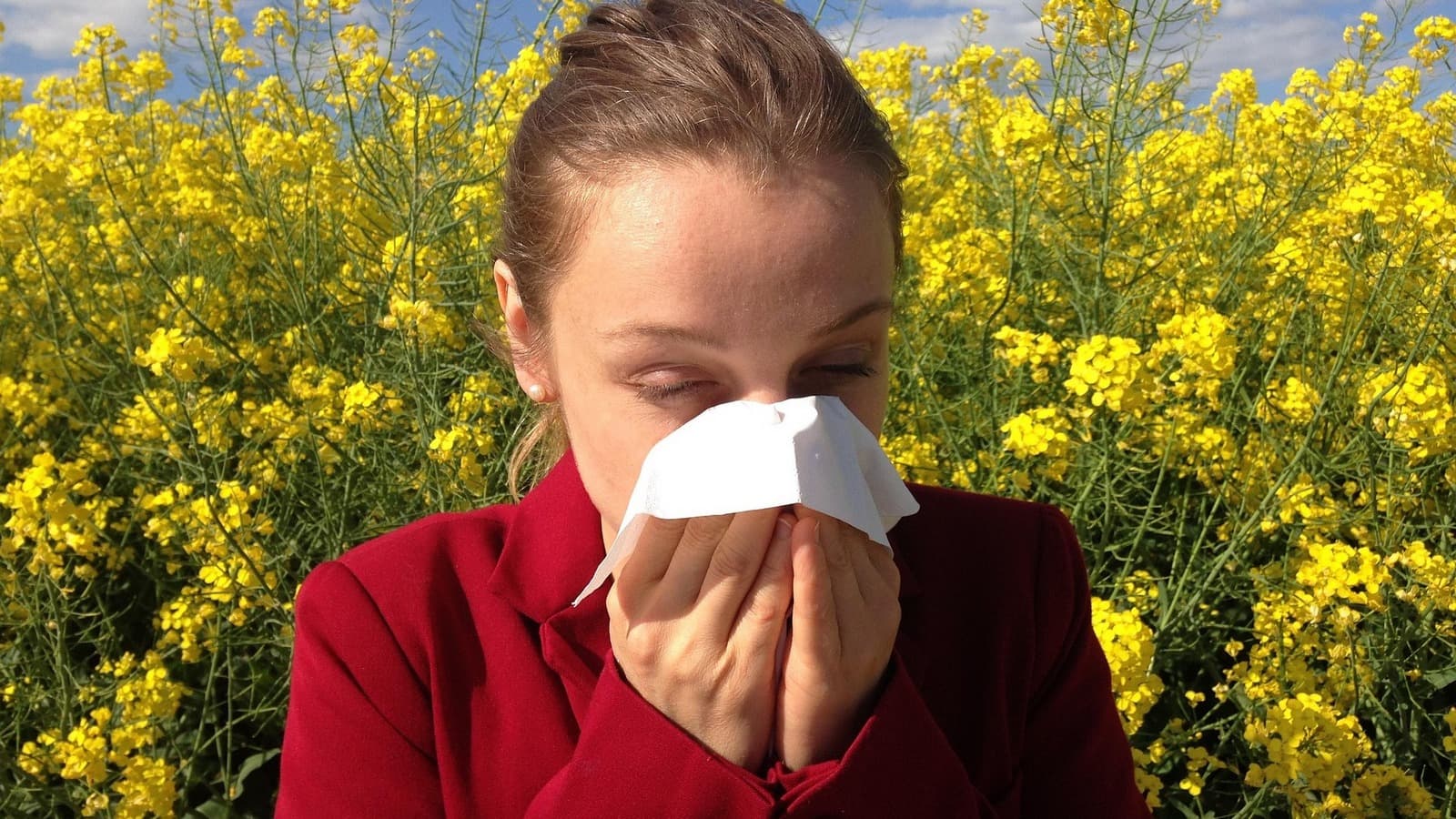
- Itchy eyes usually mean allergies, while fever and body aches point to a cold or flu (Mayo Clinic, NIH).
- Cold symptoms start a day to a few days after you catch the virus. Allergy symptoms start right after you meet the allergen (ACAAI, MedlinePlus).
- Most colds clear in about a week. Allergy symptoms last as long as you're exposed (CDC, NIH).
- Allergies aren't contagious, and antibiotics don't help (ACAAI, CDC).
- Allergic rhinitis, often called hay fever, affects 40 to 60 million Americans (ACAAI).
If your eyes and nose itch, it's more likely allergies. If you have a fever or body aches, it's more likely a cold. The two share a stuffy, runny nose and sneezing, so timing helps too. A cold usually clears up in about a week. Allergies hang on as long as you're around whatever sets them off, and they tend to come back at the same time every year.
When to get care right away
Trouble breathing is never just a cold or allergies to wait out. The CDC lists trouble breathing or fast breathing as a reason to get medical care for a cold. For people with allergic asthma, pollen or pet dander can bring on chest tightness, which the NIH notes is otherwise rare with allergies. If you're wheezing or struggling to breathe and your rescue inhaler isn't helping, get emergency care.
Cold vs. allergies: a side by side symptom chart
This chart combines the NIH's comparison with a similar one from Mayo Clinic. Where the two disagree, both answers are shown.
| Symptom | Cold | Allergies |
|---|---|---|
| Itchy eyes | Rarely | Usually |
| Fever | Rare (NIH) or sometimes (Mayo), usually low grade | Never |
| Body aches | Slight | Never |
| Runny or stuffy nose | Common | Common |
| Sneezing | Usual | Usual, often in bursts |
| Sore throat | Common | Sometimes (NIH) or rarely (Mayo) |
| Cough | Common, often wet | Sometimes, often dry |
| Mucus | Thicker, often yellowish | Thin, watery, clear |
| Starts | A day to a few days after catching the virus | Right after exposure |
| Lasts | Usually under a week | As long as you're exposed |
| Contagious | Yes | No |
The mucus, cough and sneezing details come from the American Academy of Pediatrics and the American College of Allergy, Asthma and Immunology (ACAAI).
The itch is the biggest clue
Itching is the symptom colds rarely produce. Allergies trigger the release of histamine, and the AAP calls itching a red flag for allergies. The ACAAI lists itching of the nose, mouth, eyes or throat among hay fever symptoms, along with puffy eyelids. Mayo Clinic adds dark marks under the eyes.
Fever points the other way. The NIH rates fever as "never" for airborne allergies. Allergist Mitchell Grayson, MD, puts it simply in an ACAAI video: with a fever, it's probably a cold or the flu.
Mucus color is a weaker clue than people think. Allergy mucus tends to be thin and clear, but Harvard Health's Robert Shmerling, MD, notes that allergies can also produce yellow or green mucus without any infection.
Timing: how fast it starts and how long it lasts
Allergies start fast. The ACAAI says hay fever symptoms begin right after you're exposed to the allergen. A cold takes longer to show up: a day or two after exposure by the ACAAI's count, or two to three days by MedlinePlus, which adds that it can take up to a week.
How long it lasts matters even more. The CDC says colds usually last less than a week, with symptoms peaking in the first two to three days. Allergy symptoms don't follow a clock. They last as long as you're exposed, which the NIH notes can mean about six weeks during a spring, summer or fall pollen season. Indoor allergens like dust mites and pet dander can keep symptoms going all year, according to the ACAAI.
So a "cold" that's still going strong in week three deserves a second look.
The calendar can help identify allergies
A cold can hit any time of year, the CDC says, though winter is the peak cold and flu season. Seasonal allergies follow the plants. The ACAAI says they show up in spring, summer and early fall, from tree, grass and weed pollen and mold spores. Our seasonal allergies guide walks through what's in the air each season, and the ragweed guide covers the biggest fall culprit.
If you "catch a cold" every April or every September, Dr. Grayson's advice is to see an allergist and get tested. Symptoms that repeat on a schedule are one of the strongest hints that pollen, not a virus, is behind them.
A quick self check
These questions won't tell you what you have. They can help you notice patterns worth mentioning to your doctor:
- Do your eyes, nose or throat itch?
- Have you had a fever, chills or body aches?
- Did the symptoms start right after you were outdoors, around a pet or cleaning a dusty room?
- Has anyone around you been sick in the past week?
- Have the symptoms lasted more than 10 days?
- Do they come back at the same time each year?
- Do allergy medicines make a clear difference?
Write down your answers along with the dates. A record like that makes an allergist's job easier, especially if allergy testing is the next step.
When to see a doctor
For a cold, the CDC says to see a provider if symptoms last more than 10 days without improving, if a fever lasts longer than four days, or if you start to feel better and then get worse again. Antibiotics won't help a cold, since colds are viral, and the ACAAI says they don't help allergies either.
For allergies, see an allergist for symptoms that come back every season, or that over the counter medicine doesn't control. Dr. Grayson points out that without testing, colds, flu and allergies can look a lot alike, and an allergist can test for the specific allergens behind your symptoms.
Longer term options for allergies
Allergy medicine is the fast fix for symptoms. The ACAAI calls steroid nasal sprays the most effective drug class for hay fever, and antihistamines come as pills, nasal sprays and eye drops. Medicine works while you take it but doesn't change the allergy.
Allergy shots retrain your immune system over time. The AAAAI describes typical treatment as shots once or twice a week for four to six months, then every two to four weeks for three to five years.
Allergy tablets dissolve under the tongue at home. The ACAAI notes they're approved for only a few allergens, including certain grass and ragweed pollens and dust mites.
ILIT (intralymphatic immunotherapy) is the shortest course, and for some people a faster alternative to allergy shots. ILIT treatment is typically three injections into a lymph node over about two months. It uses FDA approved allergen extracts given by an off label route, as our Learn About ILIT page explains. The research is promising but smaller than for allergy shots, and results vary from person to person.
Our comparison of allergy shots, allergy drops and ILIT lays out the differences. If your "colds" keep showing up on the same dates every year, talk with an allergist now. You can find an ILIT provider near you by zip code.
Frequently Asked Questions
No. The NIH's symptom chart lists fever as "never" for airborne allergies, and allergist Mitchell Grayson, MD, says in an ACAAI video that a fever probably means a cold or flu. If you have a temperature along with a stuffy nose, look for an infection, even if you also have allergies.
Usually less than a week, according to the CDC, with symptoms peaking two to three days in. Mayo Clinic gives 3 to 10 days for adults and notes a cough can hang on a couple of weeks longer. The CDC says to see a provider if symptoms last more than 10 days without getting better.
Clear, thin mucus is more typical of allergies, and the ACAAI says colds more often bring thicker, yellowish discharge. Color isn't proof either way. Harvard Health's Robert Shmerling, MD, notes that seasonal allergies can produce yellow, green or clear mucus with no infection at all.
Yes. Case Western Reserve pediatrician Joao Lopes, MD, says allergies put extra strain on the immune system and can leave people more prone to respiratory infections. A fever or body aches on top of your usual seasonal sneezing is a sign a virus has joined in.
Allergies don't turn into an infection, but the NIH's comparison chart lists sinus infection as a possible complication of both airborne allergies and colds. Harvard Health says most sinus symptoms come from viruses or allergies rather than bacteria, and suggests antibiotics may be worth discussing only when symptoms last more than 10 days or get worse after a week.
They can make you tired, though not feverish or achy. The ACAAI lists fatigue as a hay fever symptom, often from poor sleep when your nose is blocked at night. The NIH chart rates fatigue as "sometimes" for both colds and allergies, so tiredness on its own doesn't tell you which one you have.
For quick relief, allergy medicine works fastest, and the ACAAI calls steroid nasal sprays the most effective drug class for hay fever. To change the allergy itself, immunotherapy is the option, and ILIT has the shortest course, about three injections over about two months. If you'd like to ask an allergist about it, use Find a Provider on OpenAirAllergyNetwork.com to locate an allergist who offers it.