Tree Pollen Allergy: Symptoms, Season and Treatment
- Tree pollen is the first pollen of the year, peaking February through April in most of the U.S. and starting as early as December or January in the South.
- The yellow dust on your car usually isn't the problem. The pollen behind most symptoms is too small to see.
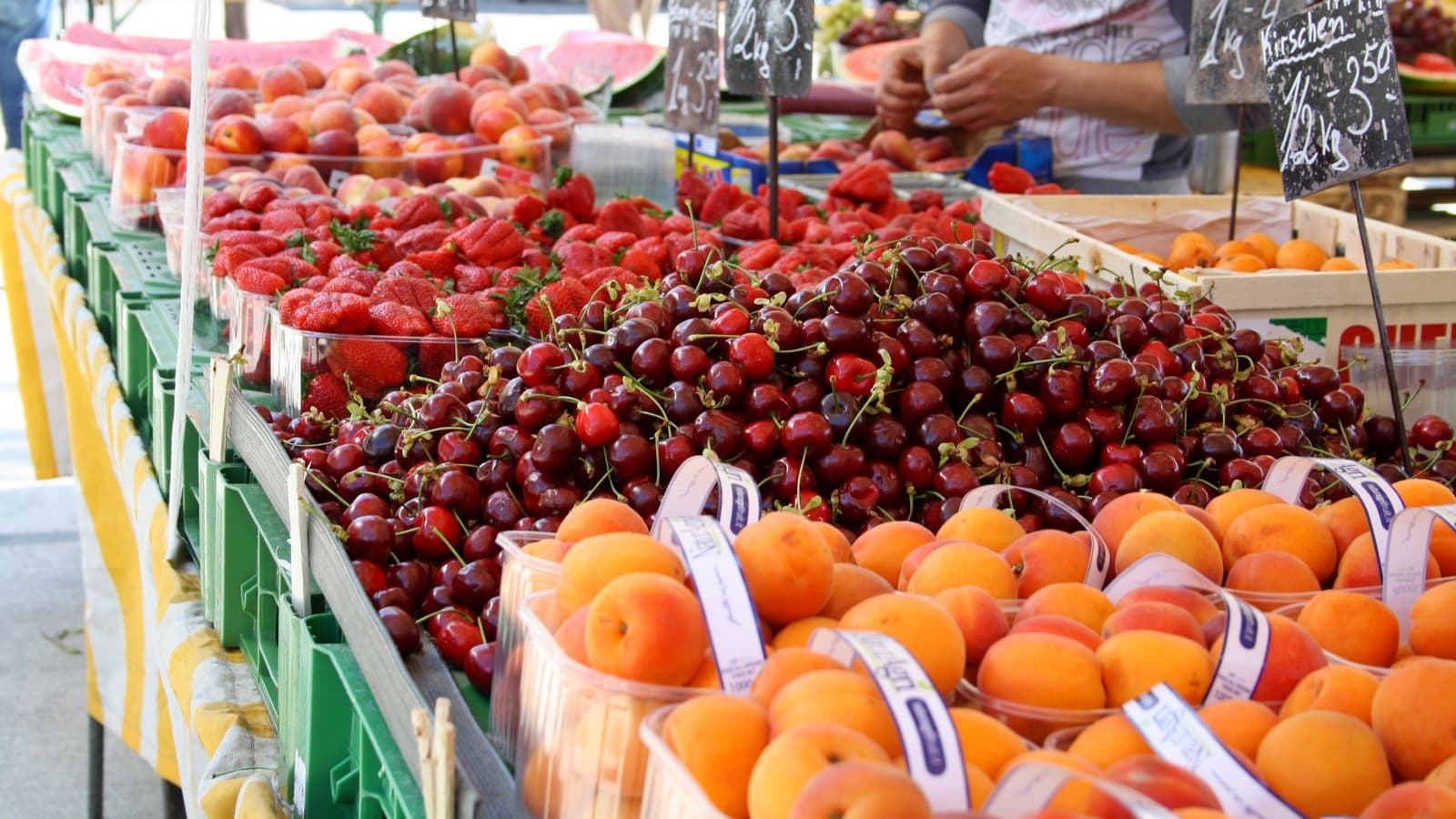
- Birch and alder pollen cause the most food reactions, such as an itchy mouth from raw apples, cherries or pears.
- Start allergy medicine two weeks to a month before your tree season usually begins.
- There's no FDA approved allergy tablet for tree pollen, so the immunotherapy options for trees are allergy shots, allergy drops given off label, or ILIT.
A tree pollen allergy is a reaction to the fine pollen trees release into the air, and it's behind most spring allergy symptoms, according to the Asthma and Allergy Foundation of America (AAFA). Tree pollen is the first pollen of the year. In most of the U.S., trees release the most from February through April, and in the South they can start as early as December or January. Symptoms look like any hay fever: sneezing, a runny or stuffy nose, and itchy eyes.
Allergy medicine can control the symptoms each spring. For longer relief, allergy shots or a faster treatment course called ILIT (intralymphatic immunotherapy) aim to treat the allergy itself. There's no FDA approved allergy tablet for tree pollen. Our comparison of allergy shots, allergy drops and ILIT explains how the options differ.
When to get care right away
The AAFA notes tree pollen can trigger asthma, with shortness of breath, coughing and wheezing. If you're struggling to breathe or your rescue inhaler isn't helping, get emergency care.
Food is the other risk. Some people with tree pollen allergy react to raw fruits and nuts, and the AAAAI says those reactions rarely cause severe throat swelling or a whole body reaction. Throat swelling or trouble swallowing or breathing after eating means calling 911.
Why tree pollen causes allergies
The trees that cause allergies release pollen the wind can carry. AAFA's 2026 Allergy Capitals report explains that their pollen is small, light and easily carried, which lets it reach your eyes, nose, mouth and airways.
Yellow pollen that tends to leave a film on cars in many parts of the country, particularly in spring, usually isn't the culprit. The same AAFA report says visible pollen is large and heavy and falls close to the tree. The pollen most people react to is too small to see.
When is tree pollen season?
February through April kicks off tree pollen season in most of the country, but in the South tree pollens start spreading as early as December or January. The AAFA notes that each tree species peaks at its own time. The farther north you live, the later your season starts, according to a 2019 study of pollen counts from 31 National Allergy Bureau stations in the U.S. and Canada. Regional patterns vary:
- Tree pollen season in the South: Starts early. In the study, oak season started on February 11 on average in Houston. In Waco, Texas, cedar family pollen peaked in January, and the main tree peak ran from late March to late April, led by oak along with hickory, maple and elm.
- Tree pollen season in Texas and the Southwest: Mountain cedar and juniper pollinate in winter, usually in December through February, the AAFA says, causing what Texans call cedar fever. Our cedar fever guide covers it in detail.
- Tree pollen season in Florida: UF/IFAS says the state's pollen season peaks from January to June, moving from North Florida south. It names laurel oaks, live oaks and cedars among the spring trees, with grasses taking over in summer.
- Tree pollen season in the Northeast and Midwest: Later. In the same study, oak season didn't start until May 2 on average in Rochester, New York, almost three months after Houston.
- Tree pollen season on the West Coast: Earlier than inland cities at the same latitude, and the study's authors point to the West Coast's milder winters as a likely reason. In Seattle, cedar family pollen came first, and cedar family and alder pollen together made up about two thirds of all the pollen counted there. San Jose, California, had pollen in the air all year, with elm and olive the most common.
- Late spring everywhere: Grass pollen season can sometimes overlap tree season, according to the AAFA report, so late spring symptoms may come from either.
The season is also getting longer. The AAFA says spring is arriving earlier, so trees release pollen sooner, and its tree pollen page puts the increase in pollen at about 21% since 1990. Researchers cited in the 2026 report attribute about half of the increase in pollen seasons to climate change.
Trees that cause the most allergies
The AAFA lists 19 trees that cause the most allergy symptoms across the U.S.:
| Alder | Cottonwood | Oak |
| Ash | Elm | Olive |
| Aspen | Hickory | Pecan |
| Beech | Juniper | Poplar |
| Birch | Maple | Walnut |
| Box elder | Mulberry | Willow |
| Cedar |
Source: AAFA 2026 Allergy Capitals report.
Several of these grow nearly everywhere. The 2019 pollen study describes oak, ash, mulberry, and poplar, aspen and cottonwood as found throughout the continental U.S. and southern Canada, and maple as common in the East. Others matter more in certain regions, such as mountain cedar in Texas, alder in Seattle and olive in San Jose. Moving won't get you away from all of them. The AAFA points out that allergy causing trees grow in every state, and you may develop new sensitivities within a few years of a move.
Tree pollen allergy symptoms
The AAFA's list of tree pollen allergy symptoms:
- Runny or stuffy nose and postnasal drip
- Sneezing
- Itchy eyes, nose, ears or mouth
- Red, watery or swollen eyes
- Shortness of breath, coughing or wheezing
- Fatigue (ACAAI)
Symptoms only show up while the pollen you react to is in the air, which is the best clue you have: symptoms that come back at the same time each spring. If you're not sure it's allergies at all, our allergies or a cold guide walks through the differences.
Tree pollen and food
The AAFA says birch and alder pollen cause the most food reactions. Proteins in some raw fruits, vegetables and nuts look like the pollen proteins, so the mouth itches or swells after a bite of a raw apple, cherry or pear. This is called oral allergy syndrome, or pollen food allergy syndrome. Peeling or cooking the food usually helps, the AAFA says. Our oral allergy syndrome guide has the full food chart.
Testing for a tree pollen allergy
An allergist confirms the diagnosis with your history, an exam and allergy tests for specific tree pollens, the AAFA says. Our guide to allergy skin tests vs. blood tests explains the two methods.
How to cut your exposure
These steps come from the AAFA's tree pollen page and 2026 report.
- Check the pollen count. The AAAAI's National Allergy Bureau posts counts at pollen.aaaai.org. On high days, stay inside when you can.
- Keep windows closed. That includes the car, especially in the afternoon, when pollen usually peaks. Run central air with a high efficiency filter if you have it. If you don't, an air cleaner with a HEPA filter is the AAFA's alternative.
- Leave pollen at the door. Take off your shoes, change clothes after time outside, and wipe down pets that have been out.
- Shower before bed. It rinses pollen off your skin and hair so it stays out of your bedding.
- Dry laundry inside. Use the dryer or an indoor rack, not an outdoor line.
Allergy medicine: start early
Antihistamines, nasal steroid sprays, eye drops and nasal rinses are the usual first step, and timing matters. The ACAAI advises starting at least a month before your tree pollen symptoms usually appear. The AAFA says at least two weeks before the season. For much of the country, that means starting in January.
Medicine works while you take it. It doesn't change the allergy, so next spring starts the same way.
Longer term options for tree pollen allergy
Immunotherapy works by gradually training the immune system to tolerate allergens, as the ACAAI puts it. The AAFA suggests it when medicine doesn't fully control symptoms.
Allergy shots (SCIT) are on the AAFA's list of longer term options for tree pollen allergy. The AAAAI describes shots once or twice a week for about four to six months, then maintenance shots every two to four weeks for three to five years. Our guide to allergy shots covers what that involves.
Allergy drops (SLIT) are off label only. Under the tongue treatment for tree pollen isn't FDA approved. The ACAAI says the only FDA approved allergy tablets are for ragweed, grass and dust mites, and that allergy drops aren't FDA approved and are used off label in the U.S. Some allergists prescribe drops anyway, and the ACAAI says research has found under the tongue treatment relatively safe and effective for tree pollen hay fever.
ILIT (intralymphatic immunotherapy) is a much shorter course, and for some people a faster alternative to allergy shots. An allergist uses ultrasound to inject FDA approved allergen extract into a lymph node in the groin (just below the waist, near the hip). Giving the extract that way is an off label use. A typical course is about three injections over about two months, the schedule from a 2008 trial in people with grass pollen allergy. In that study, the effect after three years wasn't significantly different from three years of allergy shots, with fewer allergic side effects.
Tree pollen has less ILIT research behind it. A small 2023 trial of ILIT for birch and grass pollen had mixed results, and its authors said more studies are needed. If trees are your main allergy, ask a practice how often it treats tree pollen with ILIT.
ILIT research is promising but smaller than the research behind allergy shots, and results vary from person to person. The ILIT FDA FAQ explains the off label question.
To talk with an allergist who offers this fast allergy treatment course, find an ILIT provider near you.
Frequently Asked Questions
In most of the U.S., about three months. The AAFA says trees release the most pollen from February through April, while in the South they can start in December or January. Each species peaks at its own time, and the AAFA's 2026 Allergy Capitals report notes that grass season can sometimes overlap tree season, so late spring symptoms may come from either.
The AAFA's 2026 Allergy Capitals report lists 19, including oak, birch, maple, elm, ash, cedar, juniper, cottonwood, hickory, mulberry and walnut. The report explains that the pollen most people react to is the small, light kind the wind carries. Which of them matters for you depends on what grows where you live and which pollens you test positive to.
Only the ones that bother you. In its 2026 report, the AAFA links birch pollen with raw apple, cherry, peach, pear, plum, kiwi, carrot, celery, almond and hazelnut, among others, and notes that not every food on the list will trigger symptoms in every person. Peeling or cooking these foods usually helps. The AAAAI advises seeing an allergist if nuts make your mouth itch, since that may point to a more serious nut allergy.
It can. The ACAAI lists fatigue among spring allergy symptoms, along with sneezing, congestion, itchy eyes, wheezing and coughing. If you're worn out every spring and the tiredness fades when the trees finish, tell your doctor about the pattern.
Yes, for some people. The AAFA says tree pollen can trigger asthma in people who have it, which is called allergic asthma, and that shortness of breath, coughing and wheezing can show up while trees are pollinating. If your asthma flares every spring, ask your doctor whether your asthma plan should change for tree season.
The AAFA describes tree pollen in the air as a cause of hay fever and, for some people, asthma symptoms. The rare danger is food. The AAAAI says a raw fruit or vegetable that cross reacts with pollen can, rarely, cause a whole body reaction called anaphylaxis in highly allergic people. Hives, vomiting or trouble breathing after eating produce need medical care, and throat swelling or trouble breathing means calling 911.
Earlier than in most of the country. UF/IFAS says Florida's pollen season peaks from January to June, starting in North Florida and moving south, with South Florida peaking from February to May. A UF/IFAS expert quoted there puts the height of the season in March and April. The article names laurel oaks, live oaks and cedars among the spring trees, with grasses taking over in summer.
Usually midday into the afternoon. The AAFA's 2026 report names the afternoon as the usual peak and suggests keeping windows closed then, and UF/IFAS experts advise limiting time outside from 10 a.m. to 4 p.m. and on windy days.
Yes. The AAFA lists allergy shots as a longer term option for tree pollen allergy, and the AAAAI describes three to five years of maintenance shots after a build-up phase of four to six months. A shorter injection course called ILIT (intralymphatic immunotherapy) uses about three injections over about two months. To ask about it, use Find a Provider on OpenAirAllergyNetwork.com to locate an allergist who offers it.