Austin Allergies: Cedar Fever, Oak, Grass and Ragweed Seasons
- Austin has allergy pollen in the air for most of the year: mountain cedar in winter, oak in spring, grass in summer and ragweed in fall (Texas A&M Forest Service, Texas A&M AgriLife, Children's Health).
- Mountain cedar is Ashe juniper, which is not a true cedar (Texas A&M AgriLife).
- Cedar pollen usually starts in mid December, peaks in mid January and tapers off by early March (Texas A&M Forest Service).
- Austin ranked 81st of 100 metro areas in AAFA's 2026 Allergy Capitals report, yet had one of the highest counts of high tree pollen days in 2025 (AAFA).
- A small 2020 trial of ILIT for mountain cedar allergy, run in Austin, Grapevine and San Antonio, found fewer symptoms and less medicine use than placebo (Annals of Allergy, Asthma & Immunology).
Austin allergies don't really take a season off. Mountain cedar pollen fills the air from mid December into early March, oak takes over in spring, grass runs through the summer, and ragweed closes out the fall. No wonder people joke that they're allergic to Austin itself. Cedar fever allergy in the winter is the reaction most people mean when they talk about Austin allergy season, and it's caused by a tree that isn't really a cedar.
Allergy medicine handles symptoms while you take it. If you're tired of a new prescription every January, allergy shots, allergy drops and ILIT (intralymphatic immunotherapy) all work on the allergy itself, and one study of ILIT for mountain cedar was run in Central Texas. More on treatment below.
Cedar fever: Austin's winter allergy
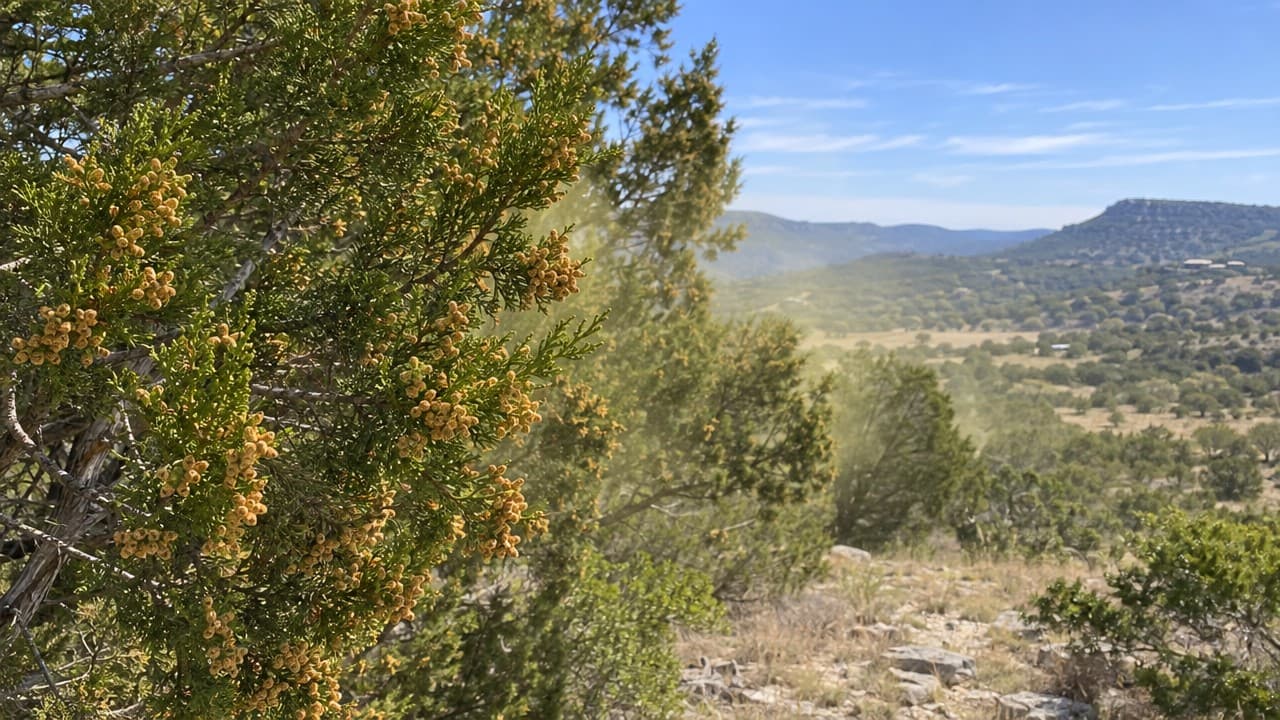
Mountain cedar is Ashe juniper
The tree behind cedar fever is the Ashe juniper, Juniperus ashei. Texans have called it mountain cedar for generations, but Texas A&M AgriLife is clear that it isn't a true cedar. It belongs to the cypress family. It's common on the shallow, rocky limestone soils of the Edwards Plateau, the Hill Country that begins on Austin's west side.
Only the male trees make pollen. AgriLife notes they can turn golden in winter, loaded with it.
When cedar fever season starts and peaks
According to the Texas A&M Forest Service, Ashe junipers usually start releasing pollen in mid December. Production peaks in mid January, then slowly tapers off toward the beginning of March. Children's Health, a Dallas hospital system, gives a similar December to February window for Texas.
Cold fronts set it off. The Forest Service explains that the dry wind and fast pressure changes before and after a front cause the pollen cones to open. So the first blue norther of the winter is often when Austin starts sneezing. The worst exposure is in the Hill Country west of I-35, where junipers dominate along with oaks, but wind carries the pollen well beyond them.
Cedar fever symptoms
Cedar fever symptoms look like a cold that won't end. The Forest Service lists tiredness, a sore throat, a runny nose and a partly lost sense of smell, sometimes with a slight fever. Its 2021 article adds itchy, watery eyes and sneezing, with mucus that's typically clear and runny.
One number helps sort it out. A fever above 101.5 degrees likely isn't from pollen, according to the Forest Service. That points to an infection, and it's worth a call to your doctor.
Our cedar fever guide goes deeper on mountain cedar, from where it grows beyond Austin to how far its pollen travels.
Oak season: February into spring
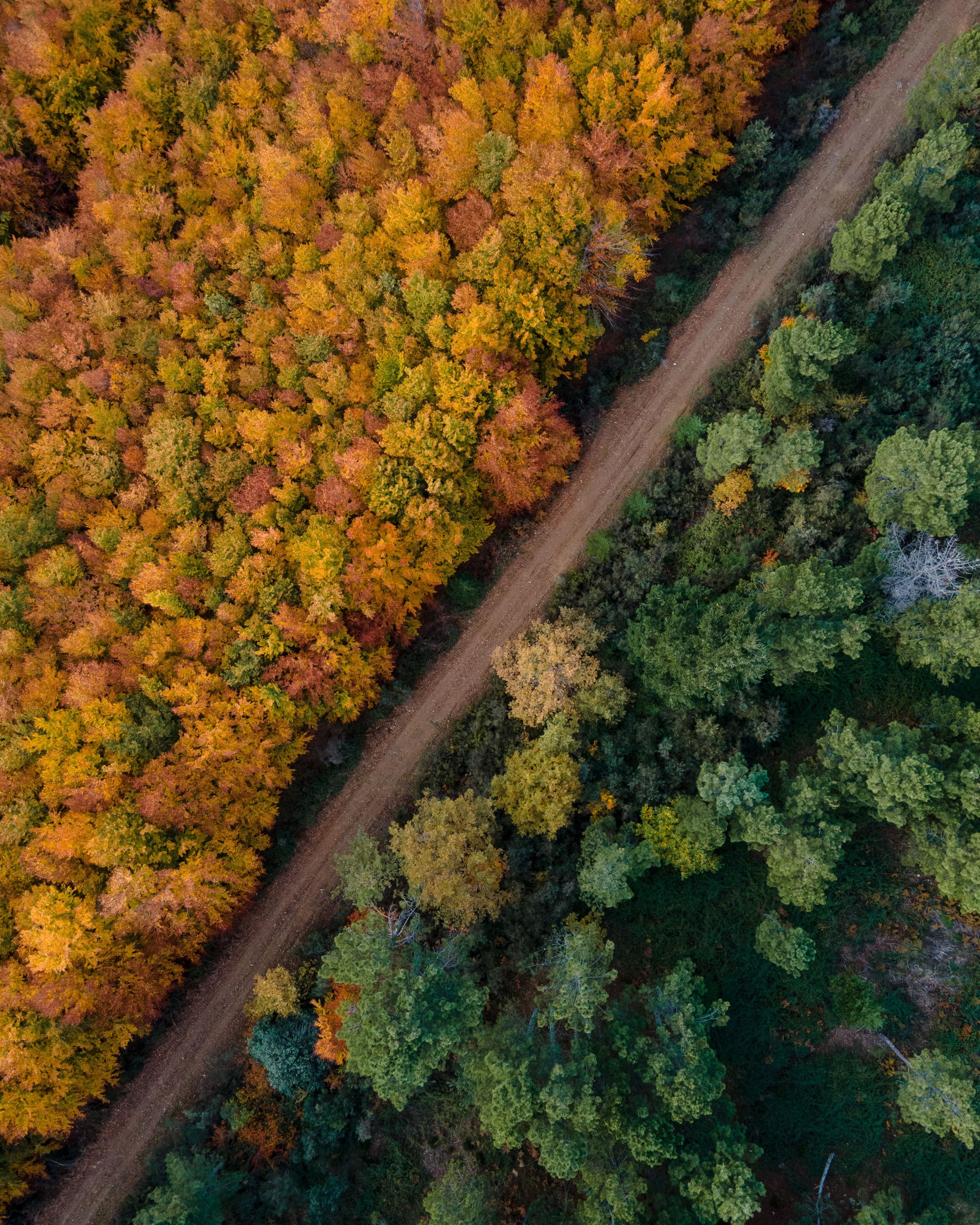
Oaks are the next wave. Daphne Richards, the Travis County horticulturist for AgriLife Extension, told AgriLife Today that oaks usually flower and release their pollen in March and April. Children's Health starts the Texas tree pollen season in February and runs it into June, since other trees overlap with the oaks.
You'll know it's oak season when the catkins appear. They're the worm shaped tassels that pile up on sidewalks, cars and gutters. Their volume gives a rough idea of how much pollen the trees are putting out, Richards said. A wet fall and a cold winter can make for a heavier oak year.
Grass season: spring through summer
Grass is Austin's long summer allergy. Children's Health puts Texas grass pollen season from March to September, peaking in summer. Bermuda, Johnson and Bahia grass are all on the AAFA's list of the grasses that most often cause symptoms. The AAFA's 2026 Allergy Capitals report notes that in warmer parts of the country, grass pollen can show up any month of the year.
Ragweed and fall allergies in Austin
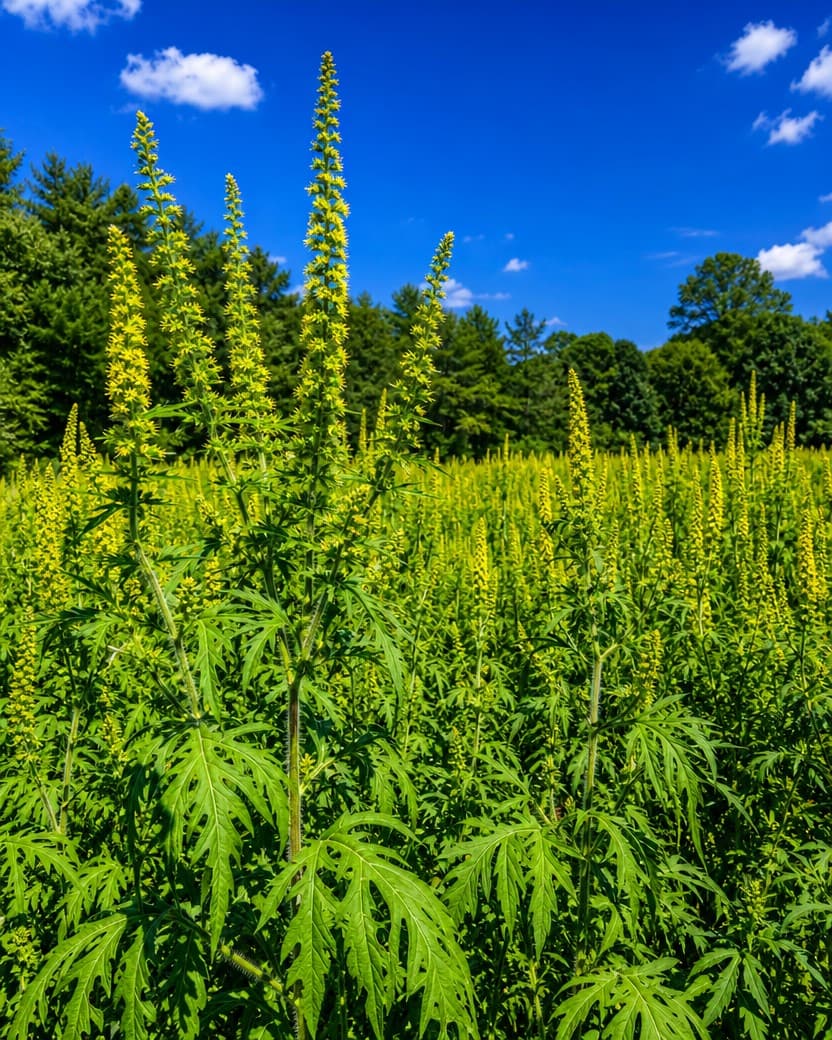
Ragweed is the main fall allergy trigger in Austin and much of the country. In most of the country, the AAFA says ragweed season starts around August and lasts 6 to 10 weeks, and warm fall weather stretches it. In Texas it can run much longer. Children's Health gives an August to November window and says the season can last up to four months here.
Mold is the quieter one. Children's Health describes Texas mold as a year round allergen that peaks from July through late summer, in the most humid months.
How Austin ranks for allergies
In the AAFA's 2026 Allergy Capitals report, Austin ranked 81st of the 100 largest U.S. metro areas, with a lower total score than the average city. That sounds like good news, and partly it is. But the AAFA's ranking blends three things: pollen scores, how much over the counter allergy medicine people buy, and how many allergists a city has. A metro with plenty of allergists can rank lower even when its pollen is bad.
The pollen data alone tells a different story. In the same report, the AAFA singles out Austin as having one of the highest totals of high and very high tree pollen days in 2025, with peaks in January and again in April. That's cedar, then oak.
How to cut your exposure
You can't avoid cedar pollen in Austin. You can bring less of it indoors.
- Watch the forecast. The Forest Service suggests following local pollen counts. A cold front in the forecast is your cue to prepare.
- Keep windows shut at home and in the car on high pollen days, and limit time outdoors when counts are high.
- Filter the air. The Forest Service recommends higher MERV filters in your HVAC system and air purifiers. The AAFA suggests a HEPA or certified asthma and allergy friendly filter.
- Rinse it off. The AAFA advises showering before bed and changing clothes after being outside, so pollen stays out of your bedding.
Testing and talking with an allergist in Austin
A skin test or blood test can confirm which pollens you react to, and that matters more in Austin than most places. Several allergens overlap here, and if you're thinking about immunotherapy, treatment is matched to what you're actually allergic to. Our guide to allergy skin tests vs. blood tests explains how the two differ.
The Forest Service also recommends checking with a doctor before you start a new allergy medicine.
Longer term options for Austin allergies
Allergy medicine controls symptoms while you're taking it. It doesn't change the allergy. A 2022 review of mountain cedar allergy in the Annals of Allergy, Asthma & Immunology names allergy shots, along with avoidance and medicine, as one of the key ways to manage it. Here are the immunotherapy options.
Allergy shots (SCIT) have the longest track record. The AAAAI describes shots once or twice a week for four to six months during build-up, then every two to four weeks for three to five years. Our guide to allergy shots walks through the schedule.
Allergy drops (SLIT) are taken under the tongue at home. Our comparison of allergy shots, allergy drops and ILIT covers how they differ.
ILIT is the shortest course, and for some people a faster alternative to allergy shots. An allergist injects FDA approved allergen extract into a lymph node, usually in the groin, guided by ultrasound. Giving the extract that way is an off label use. A typical course is about three injections over about two months. The 2008 trial that established ILIT studied grass pollen, with three injections four weeks apart.
Mountain cedar has its own ILIT study. In a 2020 trial published in the Annals of Allergy, Asthma & Immunology, 21 people with cedar allergy got either three monthly injections of FDA approved mountain cedar extract or a placebo before the 2018 to 2019 season. The trial registry lists sites in Austin, Grapevine and San Antonio. People who got the extract had fewer symptoms and used less allergy medicine than the placebo group, and had lower scores on 20 of 27 peak season days. Nobody had a serious or whole body reaction. Four had mild reactions where they were injected. Levels of cedar specific IgE, a blood marker of allergy, didn't differ between groups.
Read that result with its limits in mind. It was a small, one season study that the authors called a proof of concept. The investigators were from an Austin allergy practice, and the paper lists Aspire Allergy & Sinus as their affiliation. Aspire's offices are listed on Open Air Allergy Network. Research on ILIT overall is promising but smaller than for allergy shots, and results vary from person to person. The ILIT safety FAQ covers the FDA question in more detail.
ILIT providers in the Austin area
To see Austin area practices offering ILIT allergy treatment, search for an ILIT provider near Austin, or see ILIT providers in the Austin area on our Texas page, which also covers the rest of the state by metro area. For what each season brings beyond Austin, see Seasonal Allergies by Season, and if fall hits you hardest, our ragweed allergy guide goes deeper.
Frequently Asked Questions
No. The AAFA's 2026 Allergy Capitals report calls it a myth. Bees collect pollen from flowering plants, and very little of the wind blown tree, grass and weed pollen that causes allergies ends up in honey. Ashe juniper is wind pollinated, so Hill Country honey won't train your body to tolerate it.
The Texas A&M Forest Service advises against it, because cedar pollen can travel for miles. Removing your own trees won't change much when thousands grow west of you. Only male Ashe junipers release pollen, according to an earlier Forest Service article. The female trees are the ones with blue berries.
Nobody can predict that for you. The AAFA points out that moving away from one set of pollens doesn't protect you, because you can develop allergies to the pollens in your new home. If your first January here feels like a cold that won't quit, an allergist can test for mountain cedar specifically.
For relief this season, allergy medicine is the fastest option. Immunotherapy takes longer because it retrains the immune system, and ILIT is the shortest course. A small mountain cedar ILIT trial, run in Austin, Grapevine and San Antonio, found three injections eased symptoms compared with a placebo. If ILIT interests you, use Find a Provider on OpenAirAllergyNetwork.com to locate an allergist who offers it.